

Why Are Speedboat Prices in the Maldives Higher Than Other Countries?
The Maldives is one of the most breathtaking destinations in the world—but many travelers are often surprised by the relatively high cost of speedboat transfers. Whether you’re heading from Velana International Airport to a luxury resort or a private island, speedboat prices can feel significantly higher compared to other destinations.
Let’s break down the real reasons behind these costs—clearly, honestly, and based on how the industry actually works.
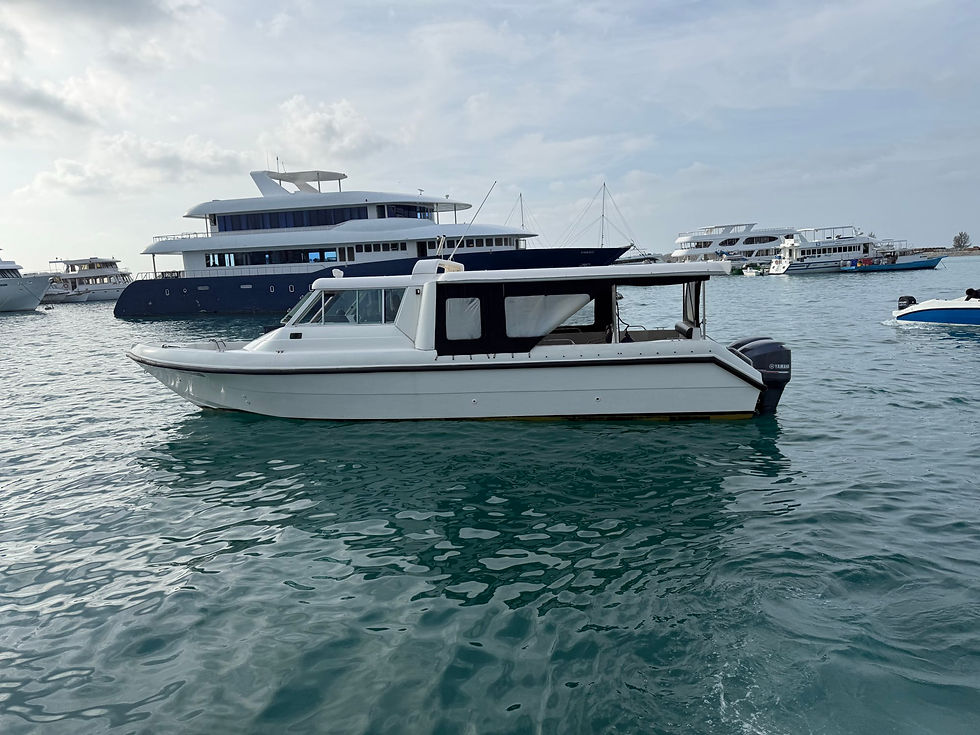
The Reality: It’s Not Just a Boat Ride
In the Maldives, speedboats are not just transportation—they are a critical part of the tourism infrastructure. With over 1,000 islands scattered across the Indian Ocean, boats are essential for almost every transfer.
Unlike countries with roads and bridges, every journey here involves fuel, skilled crew, navigation, and safety compliance across open ocean conditions.
⸻
1. High Fuel Costs in the Maldives
Fuel is one of the biggest contributors to speedboat pricing.
* The Maldives imports fuel, which already increases base costs
* Marine fuel prices are significantly higher than land fuel
* Speedboats consume large volumes of fuel, especially for long-distance transfers between atolls
For operators, fuel alone can take up a major portion of each trip’s expense.
⸻
2. Expensive Maintenance and Spare Parts
Operating a speedboat in saltwater conditions comes with heavy wear and tear.
* Engine parts and marine equipment are imported
* Government import duties and taxes increase costs
* Regular servicing is essential due to corrosion and ocean exposure
Even basic components like propellers, filters, and navigation systems are costly to maintain in the Maldives.
⸻
3. Strict Regulations and Local Certification
The Maldives has strict maritime regulations to ensure safety.
* Only locally certified captains can operate vessels
* Foreign captains are not allowed without proper Maldivian certification
* Captains must pass both theoretical and practical exams
This ensures safety—but also increases operational costs due to limited qualified workforce.
⸻
4. Crew Salaries and Operational Staffing
Even a standard speedboat requires trained personnel.
* Average captain salary: USD 1,500 – 1,900/month
* Crew salary: USD 550 – 600/month
* Typically, 2–3 crew members per boat
These are recurring fixed costs, regardless of how many trips are operated.
⸻
5. Ongoing Operational Expenses
Beyond fuel and salaries, operators face multiple additional costs:
* Annual docking and harbor fees
* Insurance coverage
* Safety certifications and inspections
* Medical tests for crew
* Licensing and compliance fees
* Government tax of 8% GST on total service value (including fuel)
All of these contribute to the final price paid by customers.
⸻
6. Profit Margins Are Lower Than You Think
Many assume speedboat operators make large profits—but in reality:
* Average profit margin: 30%–40% (before major reinvestments)
* Most revenue goes toward fuel, maintenance, and staff
* Unexpected repairs or fuel price fluctuations can reduce margins significantly
This is a high-cost, high-risk business with continuous operational pressure.
⸻
7. Why You Can’t Always Find Cheaper Options
Travelers often look for budget alternatives—but options are limited.
Public Ferry vs Speedboat

* Public ferries are the cheapest option
* However, they do NOT operate to resorts
* They follow fixed local island routes only
Resort Speedboat Transfers
* Resorts operate scheduled transfers
* Usually shared with other guests
* Limited departures (2–4 per day)
* No fixed timing—you may need to wait at the airport
This lack of flexibility often forces travelers to choose private speedboats despite higher costs.
⸻
How to Get More Economical Speedboat Options
If you’re looking to reduce costs:
* Choose resorts closer to Malé
* Travel with a group to split private charter costs
* Use shared resort transfers when timing is flexible
* Combine ferry + short speedboat routes where possible
⸻
Final Thoughts
Speedboat pricing in the Maldives is not inflated without reason—it reflects the true cost of operating in a remote, ocean-based environment.
From fuel imports and high maintenance to strict regulations and staffing costs, every factor adds up. When you pay for a speedboat transfer here, you’re not just paying for transport—you’re paying for safety, reliability, and access to some of the most beautiful islands on Earth.


Comments